
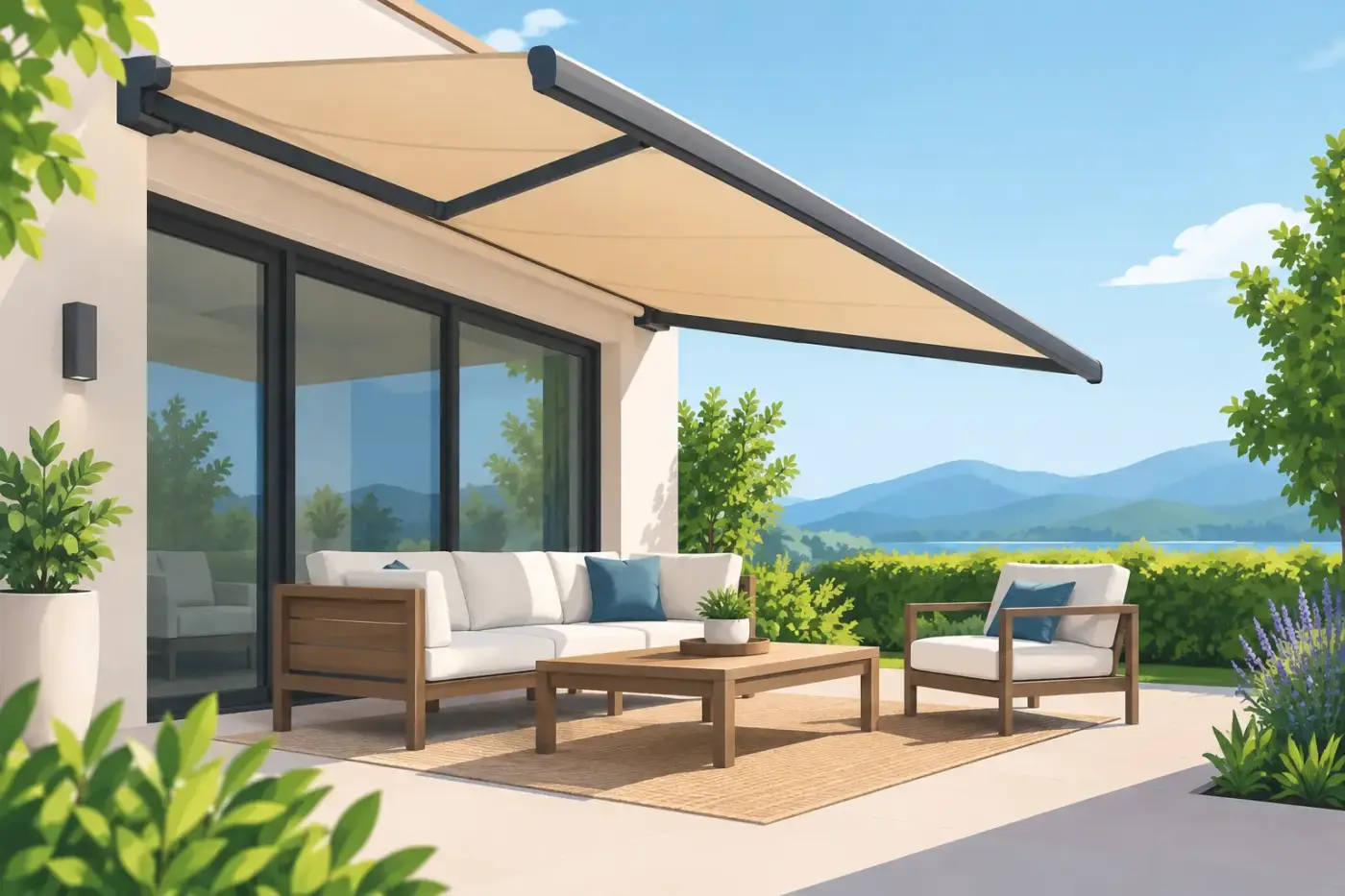
A patio can look inviting at 9 a.m. and become too bright to use by lunch. In Northwest Colorado, high-altitude sun, quick-moving weather, and reflected heat off stone or snow can make outdoor comfort surprisingly hard to manage. A thoughtfully planned awning shade installation gives you control over that space, turning a deck, terrace, storefront, or outdoor dining area into a place you can enjoy more often.
The key is not simply choosing an awning that looks good. It is choosing a system that fits the structure, the sun path, the local conditions, and how you actually use the area. A properly specified outdoor shade should feel like part of the property, not an afterthought attached to it.
Start With the Space, Not the Product
The best awning for one home may be the wrong choice for another. Before selecting fabric colors, cassette styles, or operating options, look at where the shade will be installed and what problem it needs to solve.
A south- or west-facing patio often needs stronger afternoon sun protection than a covered entry. A deck with broad mountain views may benefit from a retractable system that disappears when you want open sky. A restaurant patio may need more consistent coverage, easy daily operation, and materials selected for frequent use.
It also matters how the space behaves throughout the year. Snow load, wind exposure, roof overhangs, siding materials, drainage, and the condition of the mounting surface all influence the right installation method. In mountain homes, a beautiful view and an exposed setting often arrive together. That makes careful site evaluation especially valuable.
What Professional Awning Shade Installation Includes
Outdoor shading is only as reliable as its attachment to the building. Professional installation begins with accurate measurement, but it goes much further than confirming width and projection.
An installer needs to identify a sound mounting location, whether that is structural framing, masonry, or another approved substrate. The brackets must be positioned to distribute the awning’s weight properly and support the forces created by extension, wind, and everyday operation. Mounting an awning into trim, thin siding, or an unverified surface can lead to sagging, water intrusion, or failure over time.
The installation also requires the correct pitch. Awnings need enough slope to shed light rain rather than allowing water to collect on the fabric. At the same time, too much pitch can affect head clearance, sightlines, and the amount of usable shade. The right angle depends on the system, its projection, and the location of doors, windows, railings, and exterior lighting.
For motorized awnings, planning includes electrical access and control placement. A hardwired motor may be the cleanest choice for a new build or renovation, while battery-powered or solar-powered options can suit certain retrofit conditions. Remote controls, wall switches, smart-home integration, and wind sensors should be considered early, not added as an afterthought.
Retractable and Fixed Options Solve Different Problems
Retractable awnings are popular because they offer flexibility. Extend the shade during hot afternoons, then retract it for stargazing, winter sun, or a clearer view. Many models can be ordered with a protective cassette that encloses the fabric and arms when retracted, helping keep the system cleaner between uses.
Fixed awnings provide a permanent architectural feature. They can work well over entrances, windows, walkways, and commercial storefronts where dependable coverage is needed every day. Their frames and fabrics are selected differently from retractable systems because they remain exposed year-round.
Neither is automatically better. A retractable awning is often ideal for a patio where changing conditions matter, while a fixed structure may make more sense where steady protection and a defined exterior look are the priority.
Fabric, Frame, and Color Matter More Than You May Think
Awning fabric has a practical job: filtering direct sun, reducing glare, and creating a more comfortable temperature below. It also has a major visual role. The color and pattern can complement exterior finishes, repeat accents from inside the home, or soften a large expanse of siding and glass.
Darker fabrics generally reduce glare effectively and can preserve a clearer outward view from beneath the awning. Lighter colors can create a bright, airy feeling and may be a natural fit for traditional or coastal-inspired architecture. The best choice depends on how much heat control you need, the direction of the sun, and the exterior palette.
Quality outdoor fabrics are designed to resist fading, mildew, and everyday moisture, but no fabric is maintenance-free. Pollen, dust, tree debris, and mineral deposits can build up over time. Selecting a durable fabric is important, yet regular care is still part of protecting the investment.
Frame color and hardware finish deserve equal attention. A well-matched frame can make a large awning feel integrated with the home rather than visually heavy. For commercial settings, the fabric and frame may also support brand colors without overpowering the building.
Plan for Wind and Weather Realistically
Awnings provide shade and light rain protection, but they are not designed to serve as all-weather roofs. Strong wind, heavy rain, hail, and accumulating snow can damage an extended retractable awning. In a region where weather can change quickly, understanding this limit is essential.
Wind sensors are worth discussing for exposed patios and second homes. When conditions become too windy, a compatible sensor can automatically retract the awning. This adds protection, although it does not eliminate the need to monitor changing weather or follow the manufacturer’s care guidelines.
For a vacation property, motorization and wind sensing can be especially useful when the home is not occupied full time. For a sheltered courtyard that is mostly used on calm summer evenings, a manually operated system may be entirely appropriate. The right level of automation depends on convenience, exposure, and budget.
Avoid the Shortcuts That Cause Expensive Problems
Awning projects can appear simple from the ground, which is why people sometimes underestimate the structural and technical details involved. The most common problems come from treating an outdoor shade like a decorative accessory rather than a mechanical system attached to the home.
Measurements taken only at the patio level can miss rooflines, gutters, trim, light fixtures, and door swing clearance. Ordering based on a rough opening width can create an awkward fit or make it impossible to position brackets correctly. Electrical planning is another frequent oversight, particularly when a motorized awning is selected after exterior finishes are complete.
Product selection can also create disappointment. An awning with insufficient projection may leave the dining table in direct sun during the hours you most want shade. A fabric chosen solely from a small sample can look different against stone, stucco, or a large wall of windows. Reviewing options at the property helps account for these real-world conditions.
The Value of a Site-Specific Recommendation
A custom outdoor shading consultation brings the decisions together in the place they matter: your home or business. Measurements are taken precisely, the mounting area is reviewed, and fabric samples can be viewed in the actual daylight. That process helps clarify whether the goal is cooler afternoon entertaining, glare reduction near a wall of glass, weather protection at an entry, or a more finished look for a commercial patio.
At Ben’s Blinds, the focus is on helping clients make those choices with clear guidance from product selection through professional installation. That is particularly helpful for homes with unusual elevations, large outdoor living areas, or changing sun exposure across the seasons.
Care After Installation
A little attention keeps an awning looking better and operating more reliably. Retract it when high winds, heavy rain, or snow are expected. Let damp fabric dry before closing it for an extended period whenever possible, and brush off loose debris before it becomes embedded.
For routine cleaning, use the manufacturer-recommended method rather than harsh cleaners or pressure washing. Check the frame, brackets, and operation periodically, especially after winter or a major storm. If the awning begins to bind, sag, or make unusual sounds, address it early rather than forcing the mechanism.
The right awning does more than create shade. It gives your outdoor area a purpose during the brightest part of the day, adds a considered finishing detail to the exterior, and lets you enjoy the setting on your own terms. Start with a careful look at the structure and the sun, then choose an installation plan built for the way you live outside.
Comments are closed